Blog
What Is the Difference Between an LPG Boiler and a Mains Gas Boiler?
The important difference is the fuel supply
The boiler itself may look familiar, but the way fuel reaches it is fundamentally different. A mains gas boiler receives gas continuously through the public gas network. An LPG boiler receives liquefied petroleum gas from a tank or bottles stored at the property.
That means an LPG installation has to be considered as a complete fuel system, not simply as a boiler swap. The appliance, gas pipework, tank arrangement, controls, flue and access for deliveries all need to work together.
If you are weighing up your options, our LPG boiler installation service page gives the basic overview. Here, we will look at the decisions behind the installation and the points that can make one arrangement more suitable than another.
How the two systems differ in practice
Fuel storage
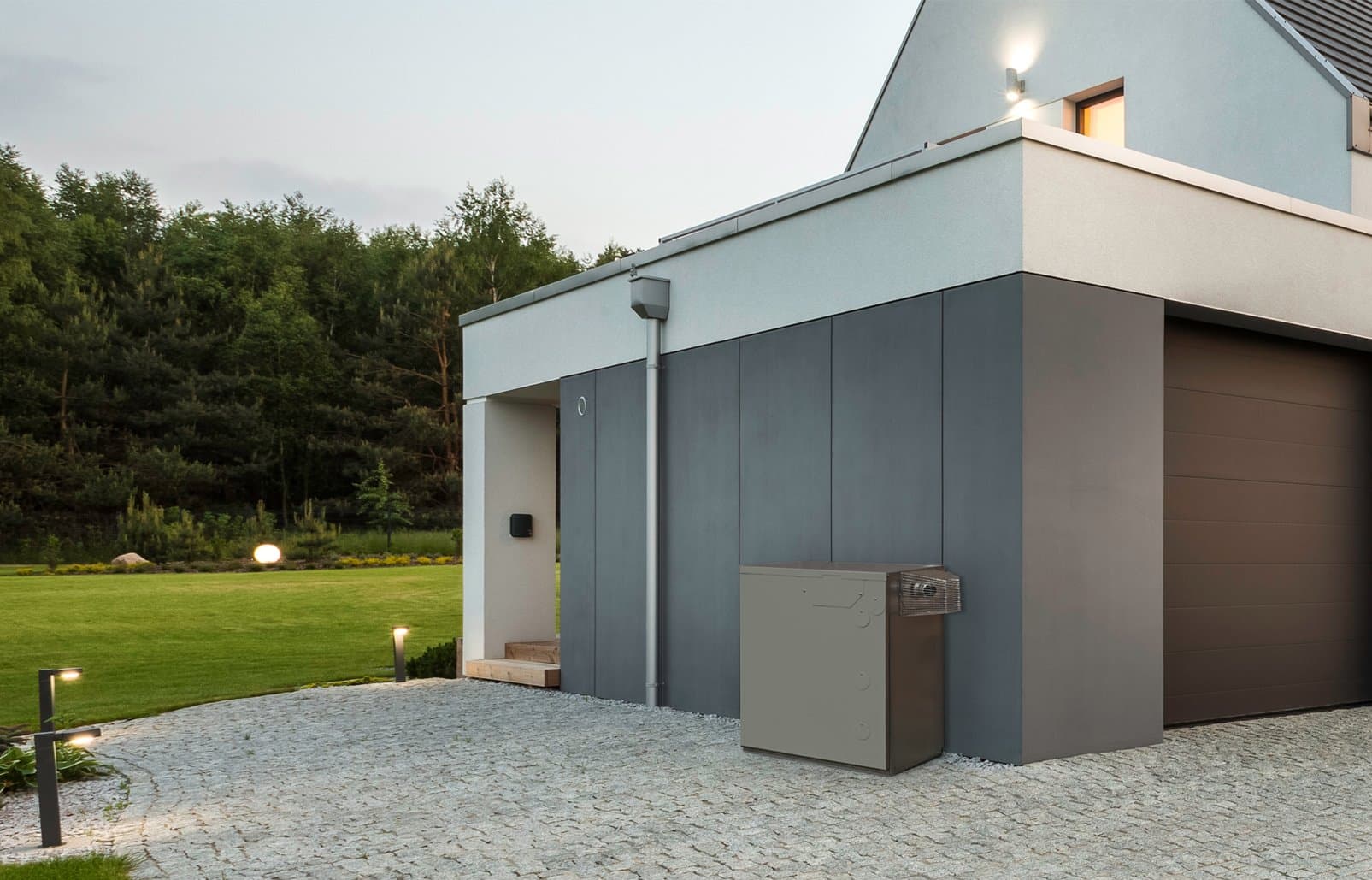
A mains gas property does not normally need on-site fuel storage. With LPG, the tank becomes part of the heating system. Its position needs to be suitable for the property, safe for the installation and practical for an LPG supplier to access.
The available space can immediately influence the design. A rural property with an appropriate external area may have several workable options. A compact plot, listed setting or home with difficult vehicle access may need more careful planning. The tank cannot be treated as an afterthought once the boiler has been chosen.
The type of storage also affects how the property is used. You need to know who is responsible for arranging fuel deliveries, how the supplier will reach the tank and how much notice may be needed. We can advise on the boiler-side requirements, but the fuel supply arrangement must be suitable as well.
Appliance compatibility
An LPG boiler is designed and configured for LPG. A mains gas boiler is configured for natural gas. Although both appliances burn gas to heat water, the gases have different properties, so the appliance must be suitable for the fuel being supplied.
This is why converting an existing installation is not a matter of changing a label or connecting a different pipe. The boiler, burner settings, amount of gas it uses, pipework and safety checks all need to match the fuel. A qualified engineer must establish what equipment is appropriate before installation begins.
We assess the existing arrangement rather than assuming that the current boiler position can be reused without change.
The property often decides more than the fuel does
Existing heating system
The right boiler type depends on how your home currently produces hot water and how many bathrooms you use. We also check whether the existing radiators and controls will suit the new system. A combi, system or heat-only boiler that works with a separate hot-water cylinder can each make sense in different properties, but the fuel supply does not decide this on its own.
For example, a property with limited space may place a premium on the equipment footprint. A larger home with several hot water outlets may require a different approach to storing and delivering hot water. We look at demand, pipework and available plant space before recommending a boiler type.
Flue routes and boiler position
The boiler needs a safe route for the gases produced during burning to leave the building. The available flue route can be affected by wall construction, extensions, neighbouring boundaries, roof lines and the position of windows or openings.
Older homes across Monmouthshire and Gwent often have alterations that are not obvious from the boiler cupboard alone. A previous extension, changed internal layout or restricted external wall can turn an apparently simple replacement into a more involved design exercise. The flue position must be assessed as part of the installation, not left until the appliance is being fitted.
Tank access and external space
For LPG, the external arrangement deserves the same attention as the internal boiler position. We consider where the tank could sit, how deliveries would be made and whether the route remains practical for inspection and maintenance. The best boiler location is not automatically the best overall solution if the tank cannot be accommodated properly.
This is particularly relevant for properties outside the mains network around Chepstow, Newport, Monmouth, Abergavenny and the wider rural areas. Different plots, driveways and building layouts create different constraints, so a recommendation based only on photographs or boiler size can miss important work.
LPG is not simply mains gas with a tank
The heating controls may feel familiar, and the radiators can operate in much the same way, but the responsibilities around fuel supply are different. Mains gas arrives through infrastructure managed away from your property. LPG requires you to plan for storage, supplier access and replenishment.
The boiler’s efficiency is also not determined by the fuel name alone. The model selected, system design, controls, hot water arrangement and condition of the heating circuit all affect how effectively the home is heated. Installing a suitable LPG boiler without considering the rest of the system can leave you with equipment that is technically compatible but poorly matched to the way you use the property.
What to establish before choosing
Before asking for an LPG boiler recommendation, gather practical information about your home:
- Whether the property has an existing LPG tank, bottles or another fuel system
- Where the current boiler, cylinder and main heating pipework are located
- How many bathrooms and regularly used hot water outlets need to be supplied
- Whether the property has extensions, unusual wall construction or restricted external access
- Who currently supplies the fuel, if the home already uses LPG
We then use the site survey to check the boiler position, route for the gases to leave the building, pipework and tank arrangement together. We are Vaillant Approved and Gas Safe Registered, and we can discuss suitable LPG-compatible options without treating every property as identical.
A sound choice starts with the whole installation
The meaningful comparison is not just LPG boiler versus mains gas boiler. It is which fuel system, appliance type and property arrangement will work safely and practically for your home over the long term.
If you are in Chepstow, Monmouthshire, Gwent or the surrounding areas and need clear advice on changing or installing an LPG heating system, contact us at JSM Heating Services Limited. We will assess the property and explain what the installation depends on before preparing a quote.
Other Articles